Portugal · North
Norte de
Portugal
From the wine-terraced slopes of the Douro to the medieval streets of Guimarães — Northern Portugal at its most layered, curated for travelers who want the country beyond the beaches.
From the wine-terraced slopes of the Douro to the medieval streets of Guimarães — Northern Portugal at its most layered, curated for travelers who want the country beyond the beaches.
Northern Portugal is the country's most complex region — a place where granite mountains meet river valleys, where medieval cities sit an hour from Atlantic beaches, and where the world's most celebrated wine country remains, against all odds, genuinely unhurried. Porto anchors the region with its UNESCO riverside and wine culture. The Douro Valley offers one of Europe's great landscape stays. Braga and Guimarães carry the weight of Portugal's origins. Viana do Castelo closes the arc at the Atlantic. Five destinations, one region worth slowing down for.
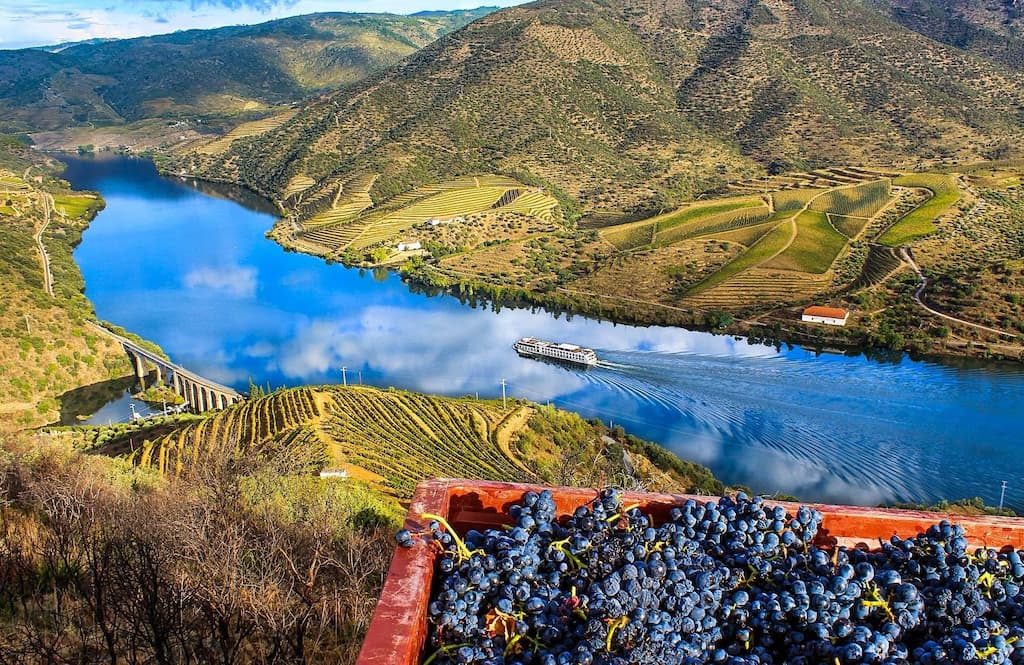
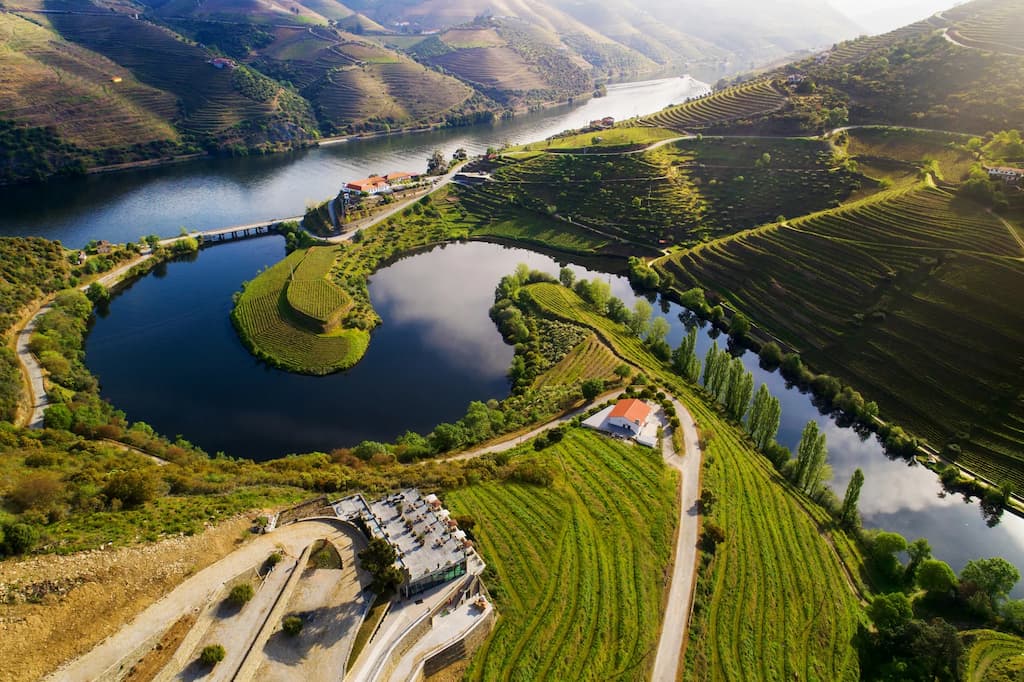
Terraced vineyards dropping to a silver river. Quintas with wine cellars older than most countries. The most cinematic landscape in Portugal — and the most underserved by serious editorial. Harvest season in September and October transforms the valley entirely.
Explore stays →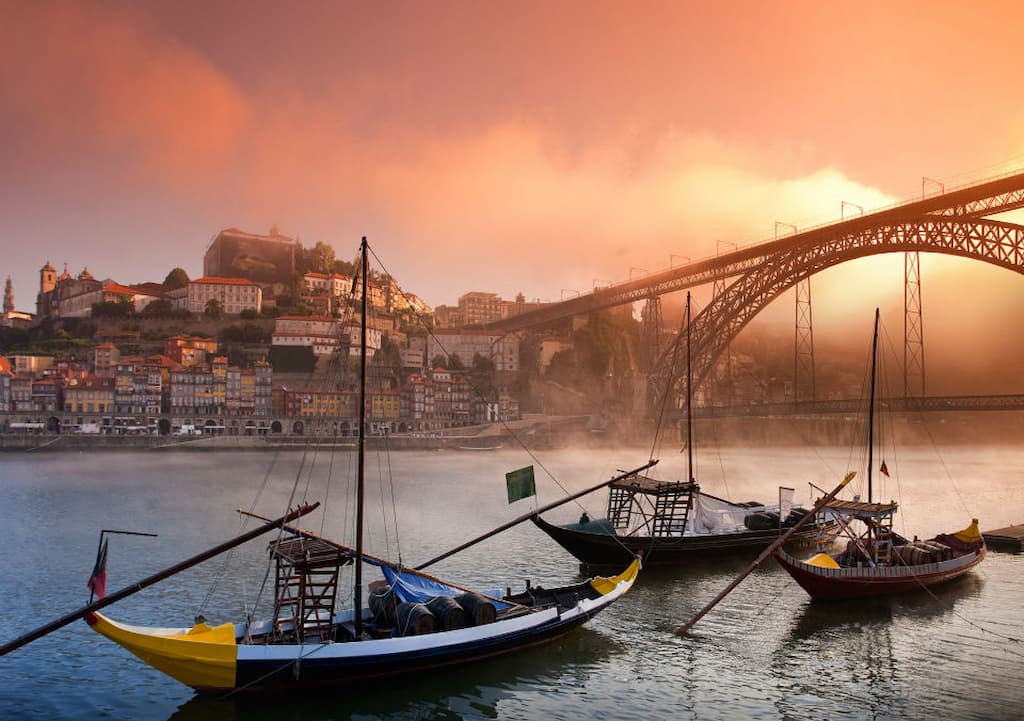
A city that wears its history without apology. Azulejo-tiled churches, wine cellars in Vila Nova de Gaia, and a riverside culture that has made it one of Europe's most compelling short-break destinations for discerning American and British travelers.
Explore stays →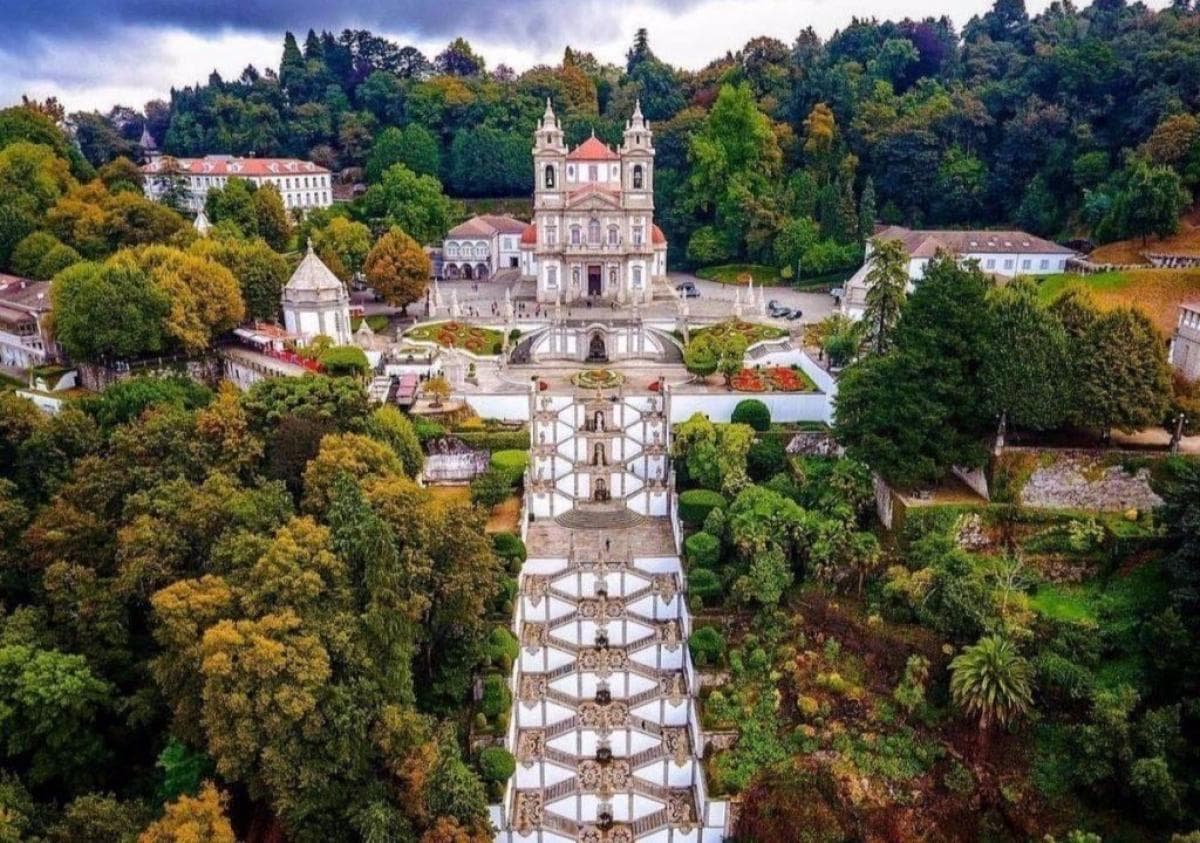
Portugal's religious capital and its most quietly dynamic city. Baroque sanctuaries on hilltops, a university that keeps the streets alive, and a food scene that punches well above its size. The gateway to Gerês — Portugal's only national park.
Explore stays →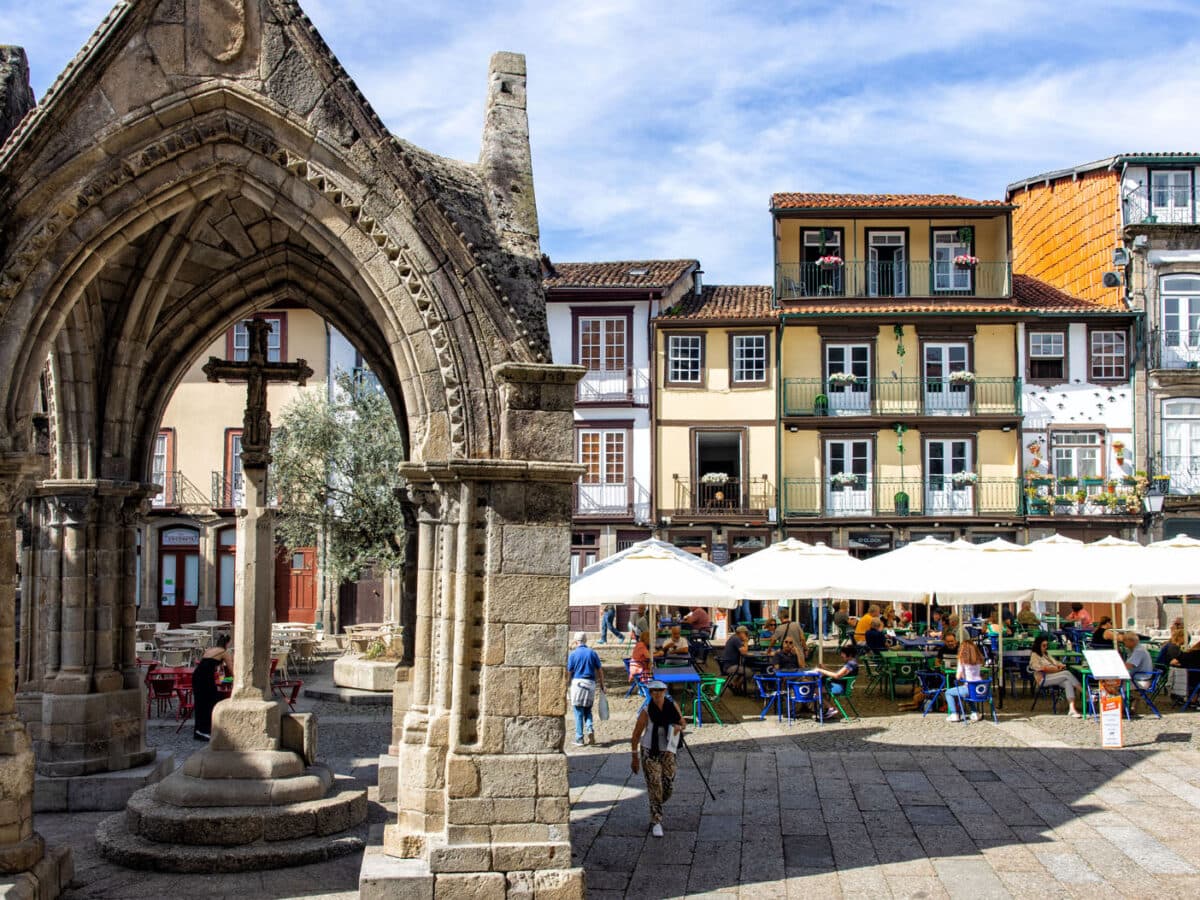
Where Portugal was born — and where the medieval centro histórico feels less like a museum than a living city. One of the best-preserved old towns in the Iberian Peninsula, a UNESCO World Heritage site, and still genuinely local.
Explore stays →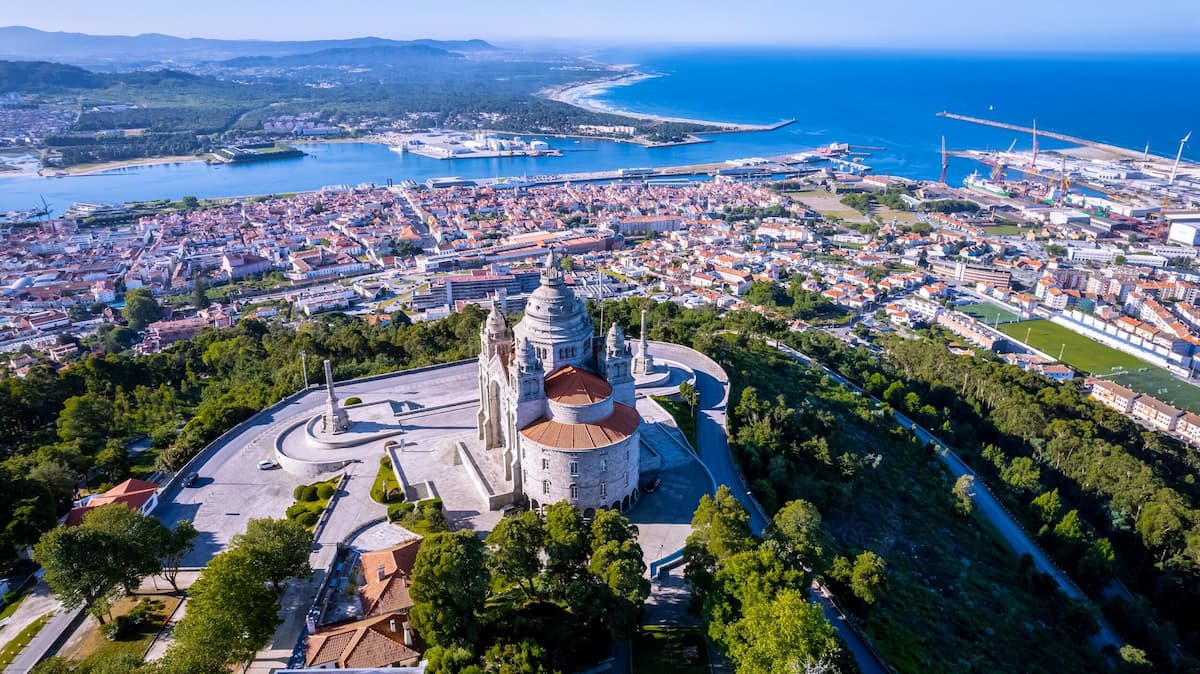
The north's most elegant coastal city. A Manueline basilica on the hill, the Lima river opening to the Atlantic, and the kind of unhurried pace that the Minho does better than anywhere. Combine with nearby Ponte de Lima for a full Minho week.
Explore stays →Ribeira, Bonfim, Foz, Gaia — four distinct neighbourhoods, four different experiences of the same extraordinary city.
We manage short-term rentals across the region — bookings, pricing and guest communication handled. Cleaning and check-in stay with you. Commission up to 15%, no lock-in.
Fortnightly editorial with Portugal's finest holiday stays — new regions, seasonal picks, honest notes. Free, always.
Join the waitlist →