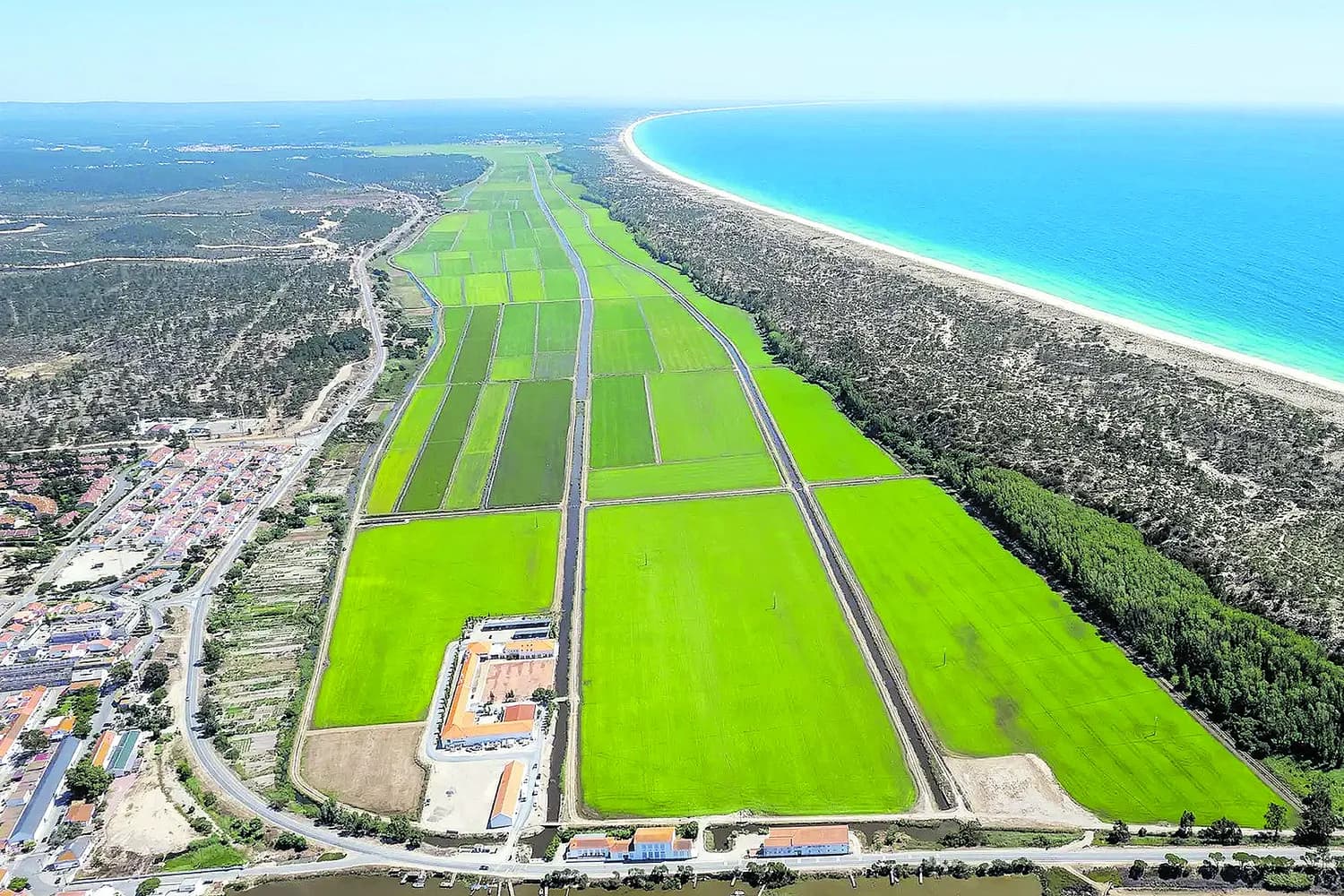
Every year, a certain kind of traveller faces the same decision. The budget is real, the time is limited, and the question is the same: Portugal or Greece? Both countries are beautiful. Both have extraordinary food, a serious wine culture, and coastlines that justify the flight. Both have developed a luxury villa market that can deliver a genuinely exceptional week. The choice, made correctly, depends on a single question that most travel articles never think to ask.
This is not a neutral comparison. We are a Portugal-focused editorial platform, and we believe Portugal is the better destination for most luxury travellers right now. But we also believe that Greece wins on specific criteria, and we will tell you exactly what those are. The honest comparison is more useful than the promotional one.
What Greece Does Better
Greece's advantage begins with its geography. The Greek island system — the Cyclades, the Dodecanese, the Ionian Islands — creates a travel experience that Portugal cannot replicate. Island-hopping between Mykonos and Paros and Naxos in a single trip is a particular kind of luxury that the Atlantic coast does not offer. Each island has a distinct character. The variety within a single holiday is genuinely exceptional.
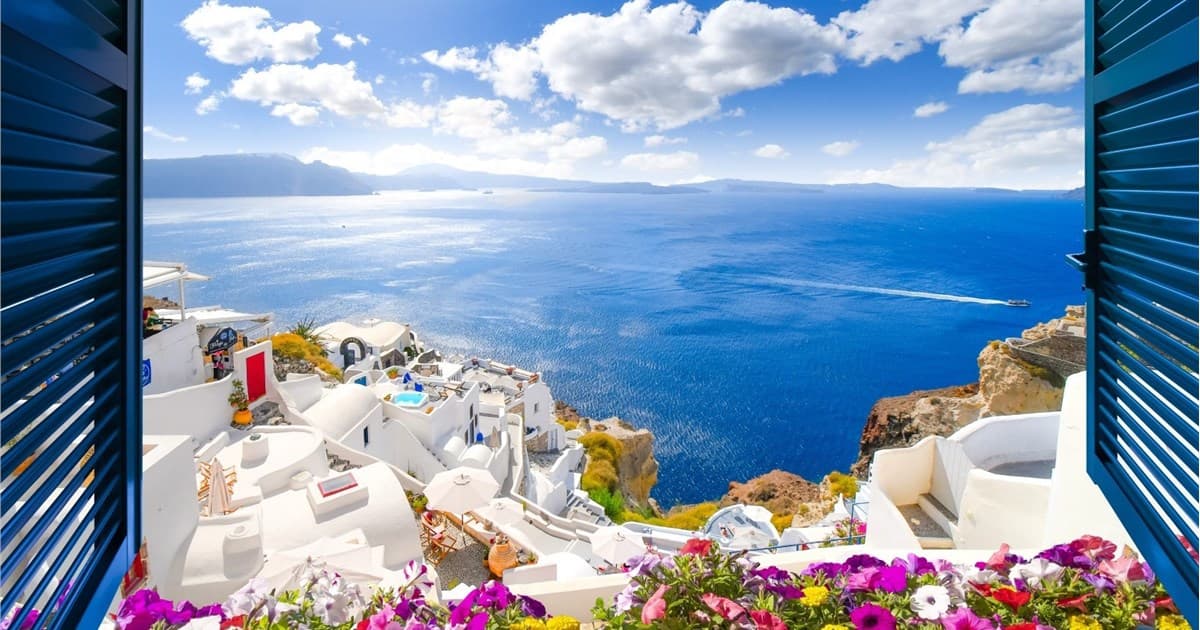
The Greek visual aesthetic is also, let's be honest, more immediately photogenic. The white-washed cubic architecture of the Cyclades against a cobalt sea is one of the most recognisable visual signatures in world travel. Santorini's caldera view at sunset is extraordinary, and no equivalent exists in Portugal. If the aesthetic of a trip matters to you — and for many travellers it does — Greece delivers images that Portugal cannot match.
The Aegean sea temperature is also a genuine advantage. The Aegean in July and August is warmer than the Atlantic by several degrees — typically 26–28°C versus 20–22°C off the Portuguese coast. For travellers whose primary objective is warm-water swimming, this is not a trivial difference.
And Greece has Santorini. It is overcrowded, overpriced, and exhaustingly Instagrammed — but it is also genuinely one of the most spectacular landscapes in the world. The caldera views from the clifftop villages of Oia and Fira are a real thing that real people experience and remember for the rest of their lives. Portugal has nothing that directly competes with it.
"Greece wins on spectacle. Portugal wins on everything else. The question is whether you are travelling to be moved or to be seen."
PrimeStays EditorialWhat Portugal Does Better — And Why It Matters More
Portugal's advantages are less immediately photogenic and more durably satisfying. They compound over the course of a week in a way that Greece's spectacular-but-thin offer does not.
The food is better. This is a strong claim, and we stand by it. Portuguese cuisine is one of the most underrated in Europe — arguably the most underrated. The combination of Atlantic seafood (the quality and variety of fresh fish available even in modest restaurants is exceptional), the Alentejo meat tradition, the extraordinary bread culture, and a wine scene that has quietly become one of Europe's most interesting, produces a culinary experience that is deeper and more consistent than the Greek equivalent. Greek food is very good. Portuguese food is world-class and almost entirely unknown outside the country.
The value is significantly better. A comparable villa in the Algarve costs meaningfully less than its equivalent in Mykonos or Santorini. The restaurants are less expensive. The transfers are shorter and cheaper. The ancillary costs of a luxury week in Portugal — excursions, wine, dining out — add up to considerably less than the same week in the Greek islands. Portugal delivers genuine luxury at a price point that Greece no longer can.
The crowds are manageable. Mykonos in August is one of the most overcrowded luxury destinations in the world. The Old Town has become functionally inaccessible. Santorini's caldera-view restaurants require reservations made months in advance. The Algarve in August is busy, but even at peak season the infrastructure handles the volume. The eastern Algarve — Tavira, the Ria Formosa coast — remains genuinely quiet throughout the summer. Comporta has crowds but they are a different kind of crowd: deliberate, style-conscious, and discreet.
The cultural depth is greater. This is perhaps the most underappreciated point. Portugal is a country with an extraordinarily rich history — eight centuries of maritime empire, the first global trade network, a literary tradition that produced Pessoa and Saramago, a music culture in fado that is one of the few living UNESCO-recognised intangible heritage traditions in Europe. Greece has an older history but a thinner contemporary culture. Visiting Portugal involves engaging with a living civilisation. Visiting the Greek islands often involves visiting a beautiful backdrop.
The One Question That Decides It
After laying out the case for both countries, the comparison resolves to a single question: are you travelling to be moved, or to be seen?
Greece — specifically Mykonos, Santorini, and the luxury tier of the Cyclades — has become a social performance as much as a travel experience. The yachts in the harbour, the tables at the right restaurants, the sunset at Oia — these are experiences that are chosen, at least in part, for their value as images. That is not a criticism. It is a description. For a significant and honest portion of luxury travellers, the social currency of a Greek island holiday is part of what they are buying. Greece delivers it better than anywhere else in Europe.
Portugal offers a different transaction. The luxury of Comporta is specifically the absence of display — the pine forest villa, the uncrowded beach, the restaurant without a waitlist. The Algarve at its best offers genuine pleasure rather than the performance of it. The Douro Valley offers a beauty that is agricultural and ancient and entirely unphotographed. These are experiences that reward engagement rather than documentation.
The practical summary: if this is your first luxury European holiday and you want maximum visual impact with minimum planning complexity, Greece is a reasonable choice. If you have done Greece and want something deeper, more interesting, and significantly better value — or if you already know that the performance of luxury is less interesting to you than the substance of it — Portugal is the better answer.
Portugal is also the smarter answer for 2025 and beyond. The luxury market is arriving. The window of experiencing Portugal before it achieves mainstream premium status is still open. It is narrowing.
For first-time luxury travellers seeking maximum visual impact, Greece remains exceptional. For everyone else — and particularly for American travellers discovering Europe's Atlantic coast for the first time — Portugal offers a richer, more honest, and significantly better-value luxury experience than the Greek islands can currently deliver.
every fortnight.
Editorial picks, honest notes, new destinations before they go mainstream.
Join the list